
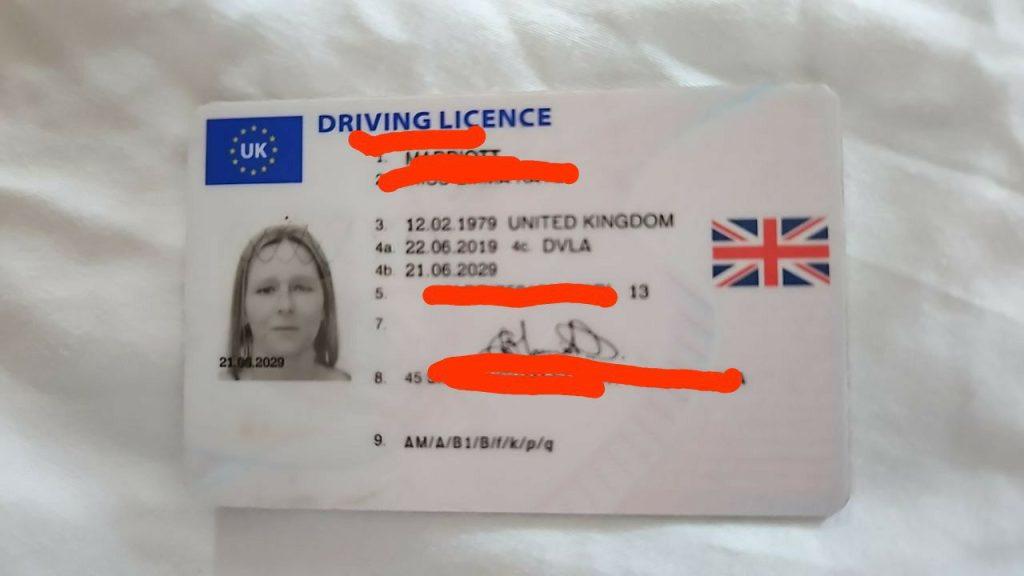
Your Ultimate Guide to the Driving Licence: Navigating the Road Ahead
The open road, the feeling of independence, the ability to reach your destinations on your own terms – it all starts with one crucial document: your driving licence. More than just a piece of plastic, your driving licence is your gate pass to a world of mobility, responsibility, and freedom. Whether you’re a fresh-faced beginner eager to get behind the wheel or someone looking to understand the nuances of licence categories and renewals, this comprehensive guide is for you.
We’ll journey through everything you need to know about obtaining, maintaining, and understanding your driving licence, ensuring you’re well-equipped for your adventures on the road.
What Exactly is a Driving Licence?
At its core, a driving licence is an official document issued by a government authority, permitting you to operate one or more types of motorized vehicles on public roads. It serves as proof that you have met certain eligibility criteria, passed the necessary tests, and are deemed competent to drive safely. Without a valid driving licence for the specific vehicle you’re operating, you are not lawfully allowed to drive, and doing so can lead to significant legal penalties.
The Different Roads You Can Take: Types of Driving Licences
Driving licences aren’t one-size-fits-all. They are categorized based on the type of vehicle you are authorized to drive. Understanding these categories is your first step in determining which licence is right for you. While specific names may vary slightly by region, the general classifications remain consistent.
Here’s a look at common licence categories you might encounter:
| Licence Category | Vehicle Type | Typical Minimum Age (Approx.) | Key Characteristics |
|---|---|---|---|
| Two-Wheeler | Motorcycles, Scooters, Mopeds | 16-18 years | Often split into geared/non-geared, or engine size. |
| Light Motor Vehicle (LMV) | Cars, Jeeps, Light Motor Vehicles (non-commercial) | 18 years | Authorizes private driving of most passenger cars. |
| Commercial LMV | Light Goods Vehicles (commercial use), Taxis | 18-20 years | For vehicles used for hire or goods transport. |
| Heavy Motor Vehicle (HMV) | Trucks, Buses, Heavy Goods Vehicles | 20-22 years (often requires prior LMV experience) | For large commercial transport and public transit. |
| Special Categories | Tractors, Construction Equipment, Articulated Vehicles | Varies | Specific licences for specialized machinery. |
(Note: Age requirements and specific classifications can vary based on your country and local regulations. Always check with your local Department of Motor Vehicles or equivalent authority.)
Your Journey Begins: The Application Process
Getting your driving licence is an exciting step! While the exact steps and documentation can differ slightly, here’s a general roadmap of what you can expect when applying for your first driving licence:
- Check Your Eligibility: First and foremost, you must meet the minimum age requirement for the vehicle category you wish to drive. For a Light Motor Vehicle (car), this is typically 18 years old. For a Two-Wheeler (without gear), it can sometimes be 16, often requiring parental consent.
- Gather Your Essential Documents: You’ll need a portfolio of documents to prove your identity, age, and address. Common requirements include:
- Proof of Age (e.g., birth certificate, passport, school leaving certificate)
- Proof of Address (e.g., utility bills, Aadhaar card, rental agreement)
- Proof of Identity (e.g., passport, national ID card)
- Passport-sized photographs
- Medical certificate (often required for commercial vehicles or older applicants)
- Application forms (usually available online or at the licensing authority)
- Apply for a Learner’s Licence (LL): This is your provisional licence, allowing you to learn to drive under supervision. You’ll typically apply for this online or in person, submit your documents, and pay a fee.
- Pass the Learner’s Licence Test (Theory Test): This is usually a written or computer-based test assessing your knowledge of traffic rules, road signs, and safe driving practices. Study diligently!
- Practice Driving with Your Learner’s Licence: Once you have your LL, you can begin learning to drive. Remember, you must always be accompanied by a fully licenced driver (meeting specific criteria, like age and experience) and display L-plates on your vehicle.
- Schedule Your Driving Skills Test (Practical Test): After holding your Learner’s Licence for a specified period (often 30 days to 6 months), you can apply for your permanent driving licence. You’ll need to book an appointment for your practical driving test.
- Pass the Driving Skills Test: This is where you demonstrate your ability to safely and competently operate a vehicle. An examiner will assess your control, road awareness, and adherence to traffic laws.
- Receive Your Permanent Driving Licence: Congratulations! Once you pass the practical test, your permanent driving licence will be processed and typically mailed to your registered address.
The Learner’s Licence: Your Provisional Gateway
Your Learner’s Licence (LL) is a critical step. It signifies that you are legally permitted to learn to drive on public roads, but under strict conditions. These conditions are in place for your safety and the safety of others:
- Supervision: You must always be accompanied by a fully licenced driver who meets specified criteria (e.g., has held their permanent licence for a minimum number of years and is above a certain age).
- L-Plates: Your vehicle must prominently display “L” plates (or equivalent) at the front and rear, signaling to other road users that a learner driver is at the wheel.
- Passenger Restrictions: Some regions might impose restrictions on the number of passengers you can carry.
- Timing: There’s usually a minimum waiting period (e.g., one month) after obtaining your LL before you can apply for your permanent driving test, allowing you sufficient time to practice.
Conquering the Tests: Theory and Practical
Your journey to a permanent licence involves two main hurdles:
1. The Theory Test (Learner’s Licence Test)
This test evaluates your theoretical knowledge of:
- Traffic Laws: Speed limits, right-of-way, lane discipline, parking regulations.
- Road Signs and Markings: Understanding warning signs, regulatory signs, informational signs, and road paint.
- Safe Driving Practices: Defensive driving techniques, dealing with hazards, maintaining safe distances, actions in emergencies.
Tips for Success:
- Study the Official Handbook: Most licensing authorities provide a learner’s handbook or manual. Read it thoroughly.
- Practice Online Tests: Many websites and apps offer mock tests that simulate the real exam.
- Understand, Don’t Just Memorize: Grasp the rationale behind the rules for better retention.
2. The Practical Driving Test (Skills Test)
This is where you demonstrate your driving prowess. An examiner will evaluate:
- Vehicle Control: Starting, stopping, gear changes, steering, use of mirrors and indicators.
- Maneuvers: Parking (parallel, reverse), three-point turns, reversing in a straight line, often an ‘8’ or ‘L’ track test.
- Road Awareness: Observing traffic, anticipating hazards, maintaining safe following distances.
- Adherence to Rules: Stopping at stop signs, yielding, obeying traffic signals, proper lane usage.
- Confidence & Composure: Staying calm and focused under pressure.
Tips for Success:
- Practice, Practice, Practice: The more time you spend behind the wheel with a supervisor, the more confident and skilled you’ll become.
- Know Your Test Route (If Possible): Familiarity with common test routes can reduce anxiety.
- Perform Pre-Drive Checks: Before starting, ensure your mirrors are adjusted, seatbelt is on, and you know where your lights, wipers, and horn are.
- Over-Exaggerate Observations: Make head movements when checking mirrors and blind spots so the examiner clearly sees you’re doing it.
- Stay Calm: Take deep breaths. If you make a minor mistake, don’t panic; just correct it and continue driving safely.
Keeping Your Licence Current: Renewal Process
Your driving licence isn’t valid forever. It has a validity period (e.g., 5, 10, or 20 years, often shorter for commercial licences or for individuals above a certain age). It’s your responsibility to renew it before it expires.
How to Renew Your Driving Licence:
- Check Expiry Date: Note the expiry date on your licence well in advance.
- Gather Documents: You’ll typically need your expired/expiring licence, proof of age and address, passport-sized photos, and a medical certificate (especially if you’re elderly or renewing a commercial licence).
- Apply Online or Offline: Many regions offer online renewal services. Otherwise, visit your local licensing authority.
- Pay the Fee: A renewal fee will be applicable.
- Photo & Biometrics (If Required): You might need to provide new photographs or biometric data.
- Receive Your New Licence: Your renewed licence will be issued and mailed to you.
Important Considerations:
- Grace Period: Some authorities offer a grace period after expiry, but it’s best to renew before the date.
- Driving with an Expired Licence: This is illegal and can result in fines, penalties, and even vehicle impoundment. Your insurance might also be invalid.
Beyond Borders: The International Driving Permit (IDP)
Planning to drive abroad? Your domestic driving licence may not be sufficient. An International Driving Permit (IDP) is a document that translates your domestic driving licence into multiple languages, confirming your authorization to drive in foreign countries that are signatories to international road traffic conventions.
Key Points about IDPs:
- Not a Standalone Licence: An IDP must always be carried with your valid domestic driving licence. It’s merely a translation.
- Validity: IDPs typically have a validity of one year from the date of issue.
- How to Apply: You can usually apply for an IDP through your local motor vehicle department or an authorized automobile association.
- Check Requirements: Always research the driving regulations and IDP requirements for your specific destination country before you travel.
More Than Just a Card: The Responsibility of Driving
Your driving licence symbolizes much more than just the ability to operate a vehicle. It represents:
- Responsibility: To yourself, your passengers, pedestrians, and other road users.
- Safety: Adherence to traffic laws and defensive driving saves lives.
- Trust: The government trusts you with the privilege of driving.
- Independence: The freedom to travel, work, and explore.
Always remember that driving is a privilege, not a right. Uphold the trust placed in you by driving safely and responsibly.
Frequently Asked Questions (FAQ)
Q1: How long does it typically take to get a permanent driving licence? A1: After obtaining your Learner’s Licence, there’s usually a mandatory waiting period (e.g., 30 days to 6 months) before you can apply for the practical test. Once you pass, the permanent licence can take a few weeks to be processed and mailed to you.
Q2: What happens if I fail the driving skills test? A2: Don’t worry! You can usually reapply for the test after a specified waiting period (e.g., 7 days to a month), allowing you time to practice and improve. Additional fees may apply for retesting.
Q3: Can I apply for a driving licence if I’m under 18? A3: Generally, for a Light Motor Vehicle (car), the minimum age is 18. However, in some regions, you might be able to apply for a two-wheeler licence (often non-geared) at 16, usually with parental consent.
Q4: Is an International Driving Permit (IDP) a standalone licence? A4: No, an IDP is not a standalone licence. It must always be carried together with your valid domestic driving licence, as it serves purely as a translation of your original licence.
Q5: What are the penalties for driving without a valid driving licence? A5: Penalties vary by jurisdiction but typically include significant fines, vehicle impoundment, points on your future driving record, and potentially even imprisonment for repeat offenses. Your insurance would also be invalid.
Q6: Do I need a medical certificate for a private car licence? A6: While not always a universal requirement for initial private car licences, it often becomes mandatory when applying for commercial licences or renewing an existing licence, especially for older drivers. Always check local regulations.
Conclusion
Your driving licence is an invaluable tool that unlocks countless opportunities. From allowing you to commute to work to embarking on epic road trips, it empowers you to navigate the world on your own terms. By understanding the types of licences, the application process, the importance of testing, and the renewal procedures, you are now better prepared for a safe and responsible driving future.
So, take the wheel with confidence, respect the rules of the road, and enjoy the journey!