
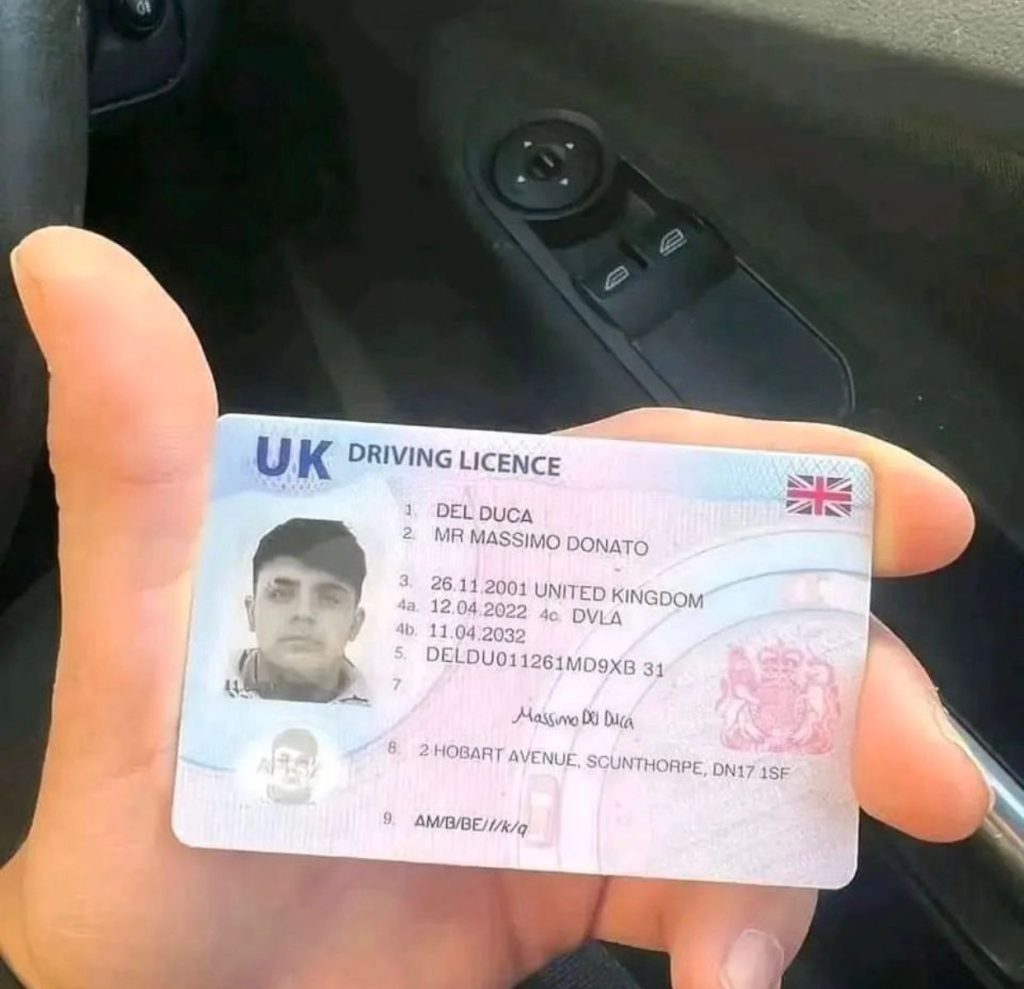
Your Key to the Open Road: Navigating Your UK Provisional Driving Licence
The dream of driving independently starts with a single step: getting your provisional driving licence. This essential document is your official permission to begin learning to drive in the UK, but understanding what it entails, who can apply, and the rules that come with it is crucial. This comprehensive guide will walk you through everything you need to know about your UK provisional driving licence, preparing you for the exciting journey ahead.
What is a Provisional Driving Licence?
A provisional driving licence, issued by the Driver and Vehicle Licensing Agency (DVLA), is a legal document allowing you to learn to drive a car (or other vehicle categories, depending on what you apply for) on public roads in the UK under supervision. It confirms your official ‘learner’ status, permitting you to take driving lessons with the intent of passing your driving tests and eventually gaining a full licence.
Eligibility Criteria: Are You Ready to Apply?
Before applying, you need to ensure you meet the DVLA’s fundamental criteria. These non-negotiables are key for anyone wishing to get behind the wheel.
- Age: You must be at least 15 years and 9 months old to apply for a provisional licence. However, you can only legally start driving a car on public roads when you turn 17. If you receive the enhanced rate mobility component of Personal Independence Payment (PIP), you might be able to start driving a car at 16.
- Residency: You must have lived in Great Britain (England, Scotland, and Wales) for at least 185 days in the past 12 months. Different rules apply if you live in Northern Ireland.
- Eyesight: You must be able to read a modern car number plate from 20 metres away (with glasses or contact lenses, if necessary). This will be tested during your practical driving test.
- Health: You must meet the minimum health requirements for driving. You will be asked to declare any medical conditions that could affect your ability to drive safely.
Let’s break down these initial requirements in a simple table:
| Requirement | Details |
|---|---|
| Minimum Age | Apply at 15 years 9 months. Drive a car from 17 (16 with certain disability benefits). |
| Residency | Lived in Great Britain for 185+ days in the last 12 months. |
| Eyesight | Read a new style number plate from 20 metres (20.5m for old style) – with glasses/contacts if necessary. |
| Health Fitness | Declare any medical conditions affecting your ability to drive safely. Failure to do so can result in a £1,000 fine and disqualification. |
How to Apply for Your Provisional Licence: Your First Step
Applying for your provisional licence is straightforward, with applying online being the quickest and most popular method.
Applying Online (Recommended):
- Visit GOV.UK: Go to the official government website and search for ‘Apply for your first provisional driving licence’.
- Identity Verification: You’ll typically need a valid UK passport. If you don’t have one, you might need to use a different form of identity (e.g., a biometric residence permit or an EU national identity card) and possibly send original documentation by post.
- National Insurance Number: Have your National Insurance number handy.
- Addresses: Provide all addresses where you’ve lived over the last three years.
- Payment: Pay the application fee using a debit or credit card.
- Medical Details: Disclose any medical conditions that might affect your driving.
Applying by Post:
- D1 Application Form: Obtain leaflet D1 ‘Application for a driving licence’ from a Post Office.
- Fill it out: Complete the form carefully, providing all necessary details.
- Photos & ID: Include original identity documents (e.g., passport) and a passport-style photograph (not always needed if sending a valid UK passport along with the application).
- Send: Post the completed form, fee, and documents to the DVLA.
Documents You’ll Typically Need:
- A UK passport (or other valid identity document).
- Your National Insurance number.
- Addresses where you’ve lived for the last 3 years.
- A debit or credit card for payment.
- Details of any medical conditions.
Cost and Waiting Time: As of recent updates, the online application fee for a provisional licence is £34. Applying by post typically costs £43. Once you’ve applied online, you can expect your provisional licence to arrive within one week. Postal applications or those requiring additional checks can take longer, up to 3 weeks. The DVLA will return any original identity documents you sent.
What You Can and Cannot Do with a Provisional Licence: The Rules of the Road
Once your provisional licence arrives, understanding its strict rules is vital. Non-compliance can lead to serious legal consequences, including fines, penalty points, or even disqualification.
- Supervision is Key: You must always be supervised by another driver when learning. This supervisor must:
- Be at least 21 years old.
- Have held a full, valid driving licence for the type of vehicle you’re driving (e.g., a manual car licence for a manual car) for at least three years.
- Be fit to drive (e.g., not under the influence of alcohol or drugs).
- Sit in the front passenger seat.
- “L” Plates are Mandatory: You must display red “L” plates (or “D” plates in Wales) on the front and rear of your vehicle at all times while learning to drive. These must be clearly visible and removed when a fully qualified driver is driving the car, or when the car is parked and not being used for learning.
- No Motorways (Unless with an instructor): Generally, provisional licence holders are not allowed to drive on motorways. The only exception is if you are taking lessons with an Approved Driving Instructor (ADI) in a dual-controlled car.
- Insurance: The vehicle you are learning in must be insured for you to drive it. If you’re using an instructor’s car, this will be covered. If you’re using a friend or family member’s car, you’ll need to be added to their insurance policy as a provisional driver, or take out a specific learner driver insurance policy.
- Passengers: You can carry passengers in the back of the car, provided your supervising driver is present and meets all the above criteria. The supervising driver is ultimately responsible for your conduct and safety.
- Driving Abroad: Your UK provisional licence is generally not valid for driving abroad. It is solely for learning to drive on British roads.
Here’s a quick overview of the “Do’s and Don’ts”:
| Action | Do’s | Don’ts |
|---|---|---|
| Driving Alone | Always have a qualified supervising driver (21+, held full licence for 3+ years) in the front passenger seat. | Never drive unsupervised – it’s illegal and dangerous. |
| Displaying L-Plates | Display clear ‘L’ plates (or ‘D’ plates in Wales) on the front and rear of the vehicle when learning. | Fail to display ‘L’ plates clearly, or keep them on when a full licence holder is driving alone. |
| Motorway Driving | You can drive on motorways only with an Approved Driving Instructor (ADI) in a dual-controlled car. | Drive on motorways under any other circumstances. |
| Vehicle Insurance | Ensure the vehicle you are driving is fully insured for a provisional licence holder. | Drive without appropriate insurance coverage for a learner driver. |
| Supervising Driver’s Fitness | Ensure your supervising driver is fit to drive (not tired, under the influence of alcohol/drugs, or distracted). They are legally responsible. | Allow your supervising driver to be unfit, distracted, or fail to meet the age/experience requirements. |
| International Driving | Use your UK provisional licence only for learning to drive in the UK. | Attempt to drive abroad with your UK provisional licence – it is not generally recognised for this purpose. |
| Driving Other Vehicle Types | Be aware of the categories on your licence. A provisional licence for a car (B) doesn’t automatically allow you to learn to drive other categories of vehicles (e.g., Category A for motorcycles). | Assume all vehicle types are covered. Check the categories clearly marked on your licence for specific provisional entitlements (e.g., for mopeds or motorcycles, usually requires CBT). |
Taking Your Theory Test: The Next Hurdle
While you’re practicing your driving skills, don’t forget about the theory! You can book and take your driving theory test as soon as you have your provisional licence. Passing it is mandatory before you can book your practical driving test. The theory test consists of two parts: multiple-choice questions and a hazard perception test. There are plenty of resources available to help you prepare, from apps to official DVSA books.
Preparing for Your Practical Test: The Grand Finale
Your provisional licence is your key to gaining the experience needed to confidently tackle the practical driving test. Work closely with an Approved Driving Instructor (ADI) to develop your skills, understand road signs, master manoeuvres, and learn to drive safely and independently. Remember, the ultimate goal isn’t just to pass the test, but to become a safe and responsible driver for life.
Key Things to Remember on Your Learning Journey:
Learning to drive is an exciting challenge, but it demands dedication and responsibility. Keep these points in mind as you embark on this journey:
- Practice, Practice, Practice: The more supervised practice you get, the more confident and skilled you’ll become.
- Stay Calm and Patient: Learning takes time. Don’t get discouraged by mistakes; learn from them.
- Ask Questions: If you’re unsure about anything, always ask your instructor or supervising driver for clarification.
- Road Safety First: Always prioritise safety for yourself, your passengers, and other road users.
- Maintain Your Licence: Look after your provisional licence; it’s an important legal document.
Frequently Asked Questions (FAQ):
- Q: How long is a provisional driving licence valid for?
- A: A UK provisional driving licence is typically valid for 10 years. The entitlement to learn to drive a car (Category B) is valid for 10 years from the date you applied, or until you turn 70, whichever comes first. You’ll need to renew it after 10 years if you haven’t passed your full test.
- Q: Can I drive a moped or motorcycle with my provisional car licence?
- A: Not automatically. While your provisional licence will show provisional entitlement for categories like mopeds (Category AM) and light motorcycles (Category A1), you must complete Compulsory Basic Training (CBT) and display L-plates before you can legally ride on the road. You still cannot ride on motorways.
- Q: What happens if I lose my provisional licence?
- A: You must report a lost, stolen, or damaged licence to the DVLA immediately. You can apply for a replacement online via GOV.UK, which costs £20. You cannot legally drive until you receive your replacement licence.
- Q: Can I start my application before I turn 17?
- A: Yes, you can apply for your provisional licence when you are 15 years and 9 months old. However, you cannot legally start driving a car on public roads until your 17th birthday (or 16th if you meet the specific disability benefit criteria).
- Q: Do I need to declare medical conditions?
- A: Yes, absolutely. You are legally required to tell the DVLA about any medical condition or disability that could affect your ability to drive safely. Failing to do so can result in a fine of up to £1,000 and possible disqualification.
- Q: Can I drive with just my provisional licence and a fully qualified friend?
- A: Yes, provided your friend meets all the supervision requirements (at least 21 years old, has held a full licence for 3+ years, fit to drive, sitting in the front passenger seat), the car is properly insured for a provisional driver, and you display L-plates.
Conclusion:
Your UK provisional driving licence is your gateway to becoming a confident, independent, and safe driver. Understanding the application process, your responsibilities, and the rules of the road are paramount to a smooth and successful learning experience. Take this exciting first step, apply for your provisional licence, and begin your journey to the freedom of the open road – your independence awaits!