Demystifying Licenses: Your Essential Guide to Understanding Permissions and Protections
You encounter licenses every single day, often without even realizing it. From the moment you start your car in the morning to the software you use on your computer, licenses are the invisible strings that govern our rights, responsibilities, and permissions in almost every aspect of life. They are the legal frameworks that define what you can do, how you can do it, and the limits of those actions.
But what exactly is a license? At its core, a license is a formal permission or authorization granted by a party (the licensor) to another party (the licensee) to use their property, product, service, or engage in a specific activity, often under specified terms and conditions. Think of it as a comprehensive rulebook that ensures fairness, safety, and the protection of intellectual property and public interest.
Navigating the world of licenses can feel daunting. There are countless types, each with its own nuances and legal jargon. Yet, understanding these critical agreements is vital, whether you’re a consumer, a professional, a business owner, or a creator. This comprehensive guide is designed to empower you with the knowledge to confidently understand and interact with the diverse landscape of licenses.
The Fundamental Purpose You Need to Know
Every license serves a set of fundamental purposes, often tailored to its specific domain:
- Granting Permission: This is the most direct function. A license provides legal authority for you to do something you wouldn’t otherwise be allowed to do (e.g., drive a car, use copyrighted software).
- Defining Rights and Responsibilities: Licenses don’t just grant permission; they also clearly outline what you can and cannot do. They specify the scope of use, limitations, and any obligations you might have.
- Protecting Owners and Creators: For software developers, artists, inventors, and businesses, licenses are crucial tools for safeguarding their intellectual property and ensuring they retain control over how their creations are used, distributed, or modified.
- Ensuring Standards and Safety: In many professional and public service areas, licenses (like medical or building permits) ensure that individuals and organizations meet specific qualifications, adhere to safety standards, and protect the public from unqualified practitioners or unsafe practices.
- Facilitating Trade and Innovation: By providing clear terms for the use of patented inventions or copyrighted works, licenses allow for collaboration, innovation, and the broad dissemination of ideas and products while still respecting the rights of the original creators.
Without licenses, our world would be a chaotic free-for-all, undermining trust, creativity, and public safety.
Key Categories of Licenses You’ll Encounter
To help you better grasp their scope, let’s explore some of the most common categories of licenses you’ll encounter:
1. Software Licenses: The Digital Rulebook
When you use any software, from your operating system to a mobile app, you’re operating under a software license. These licenses define your rights to use the software and the developer’s rights as the owner. They dictate whether you can copy, modify, distribute, or reverse-engineer the code.
- Proprietary Licenses (e.g., EULA – End-User License Agreement): These are the most common for commercial software. When you “buy” software, you’re typically purchasing a non-exclusive right to use it, not ownership of the software itself. EULAs often contain strict restrictions on copying, sharing, modifying, or transferring the software. Breaking these terms can lead to legal action.
- Open Source Licenses (e.g., MIT, GPL, Apache): These licenses grant users much greater freedom. They typically allow you to use, study, change, and distribute the software and its source code to anyone and for any purpose. However, specific conditions apply. For example, the GNU General Public License (GPL) is a “copyleft” license, meaning any derivative works must also be distributed under the GPL. The MIT and Apache licenses are more permissive, often allowing you to incorporate the code into proprietary projects with minimal conditions.
Let’s look at a quick comparison:
| Feature | Proprietary License (EULA) | Open Source License (e.g., MIT, GPL) |
|---|---|---|
| Ownership | Retained by the software developer | Retained by the software developer, but rights granted |
| Source Code | Usually not provided, often protected as trade secret | Always provided, central to the license |
| Modification | Generally prohibited | Generally permitted, often encouraged |
| Distribution | Prohibited or strictly limited | Permitted, often encouraged, with specific conditions |
| Cost | Typically involves a purchase price or subscription | Often free of charge, but not always |
| Key Emphasis | Control, revenue generation | Collaboration, freedom, community contribution |
2. Professional & Business Licenses: Ensuring Competence and Compliance
For many professions and businesses, licenses are mandatory. These aren’t about intellectual property but about ensuring public safety, professional standards, and legal operation.
- Professional Licenses: Doctors, lawyers, engineers, architects, plumbers, electricians, real estate agents – they all require specific licenses granted by state or national regulatory bodies. These licenses certify that the individual has met the necessary education, training, and ethical standards to practice.
- Business Licenses and Permits: Whether you’re opening a restaurant, a retail store, or offering consulting services, your business will likely need various licenses and permits from local, state, and sometimes federal authorities. These can include general business operating licenses, zoning permits, health permits, sales tax permits, and environmental permits, ensuring your business operates legally and safely.
3. Creative Content Licenses: Sharing and Protecting Art
From music and photographs to written works and videos, creative content is governed by copyright, and its use is often managed through licenses.
- Copyright Licenses: If you want to use a copyrighted song in your video or publish an excerpt from a book, you’ll typically need to obtain a license from the copyright holder. These licenses specify how, where, and for how long you can use the material, and often involve a fee.
- Creative Commons Licenses: When creators want to share their work with fewer restrictions than traditional copyright, they might use a Creative Commons (CC) license. These are standardized, publicly available licenses that allow creators to grant specific permissions to the public while retaining their copyright.
Here’s a look at common Creative Commons licenses:
| CC License Acronym | Full Name | Key Conditions | What You Can Do |
|---|---|---|---|
| CC BY | Attribution | You must give appropriate credit, provide a link to the license, and indicate if changes were made. You may do so in any reasonable manner, but not in any way that suggests the licensor endorses you or your use. | Share, adapt, use commercially, as long as you give credit. |
| CC BY-SA | Attribution-ShareAlike | Same as BY, plus: If you remix, transform, or build upon the material, you must distribute your contributions under the same license as the original. | Share, adapt, use commercially, as long as you give credit and share your new creations under the same license. |
| CC BY-ND | Attribution-NoDerivatives | Same as BY, plus: If you remix, transform, or build upon the material, you may not distribute the modified material. Only exact, verbatim copies. | Share commercially and non-commercially, as long as you give credit and don’t change the work. |
| CC BY-NC | Attribution-NonCommercial | Same as BY, plus: You may not use the material for commercial purposes. | Share, adapt, use non-commercially, as long as you give credit. |
| CC BY-NC-SA | Attribution-NonCommercial-ShareAlike | Same as BY, NC, and SA combined. | Share, adapt, use non-commercially, as long as you give credit and share your new creations under the same license. |
| CC BY-NC-ND | Attribution-NonCommercial-NoDerivatives | The most restrictive CC license. You may not use the material for commercial purposes and you may not distribute modified material. | Share non-commercially, as long as you give credit and don’t change the work. |
4. Intellectual Property (IP) Licenses: Beyond Copyright
Beyond copyright, other forms of intellectual property also rely on licenses:
- Patent Licenses: If someone holds a patent for an invention, others wishing to manufacture, use, or sell that invention must obtain a license from the patent holder. This typically involves royalty payments.
- Trademark Licenses: Businesses can license their trademarks (like logos or brand names) to other companies for use in specific products or services, often to expand brand reach or generate revenue.
5. Personal Licenses: Authorizing Individual Activities
These are the licenses most of us are directly familiar with, authorizing specific personal activities:
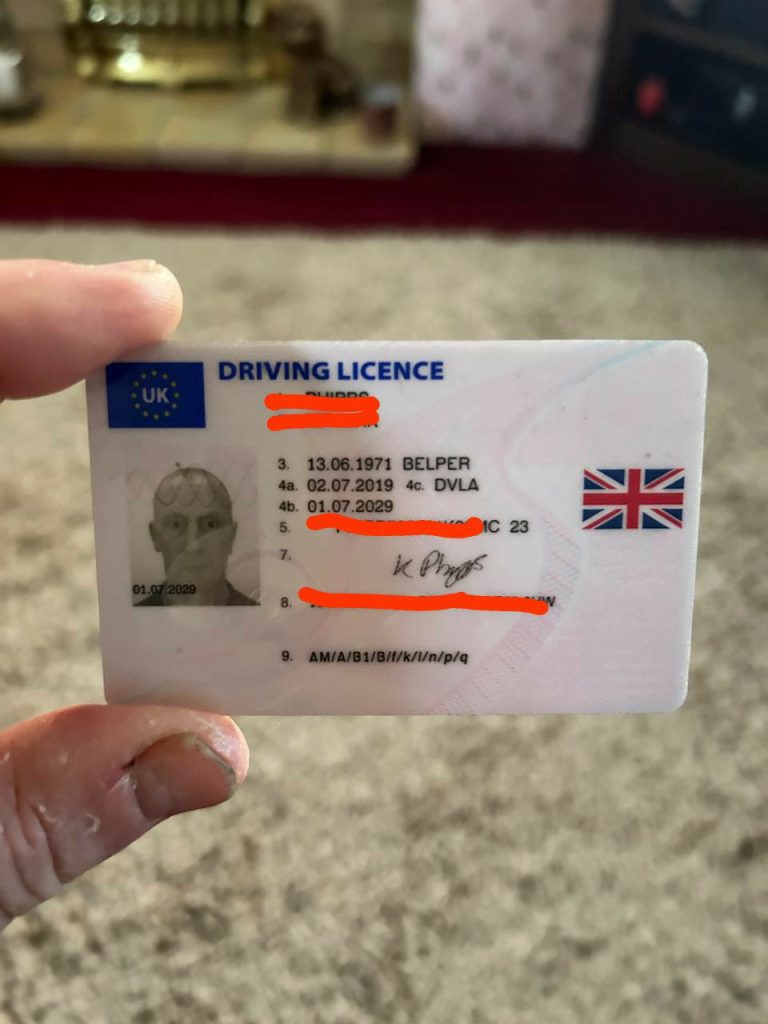
- Driver’s Licenses: Your fundamental permission to operate a motor vehicle on public roads, indicating you’ve met competency and legal requirements.
- Hunting and Fishing Licenses: Permissions granted by government agencies to engage in recreational activities, often used to manage wildlife populations and fund conservation efforts.
Why Understanding Licenses Matters to You
Regardless of your role, understanding licenses is not just a legal technicality; it’s a practical necessity:
- As a Consumer: Knowing software EULAs or Creative Commons terms helps you understand what you can and cannot do with the products or content you acquire. It protects you from inadvertently violating terms and facing legal repercussions.
- As a Creator/Business Owner: Properly licensing your own work (software, art, products) is crucial for protecting your intellectual property, generating revenue, and controlling its use. For businesses, ensuring all necessary operating licenses are in place avoids costly fines, legal challenges, and potential shutdown.
- As a Professional: Your professional license is your authorization to practice. Understanding its requirements, renewal processes, and ethical obligations is paramount to maintaining your career.
- Avoiding Legal Pitfalls: Ignorance of license terms is rarely a valid defense. Understanding your obligations helps you avoid infringement lawsuits, regulatory penalties, and reputational damage.
- Making Informed Decisions: Whether you’re choosing operating system software, selecting a font for a commercial project, or starting a new venture, an awareness of licensing empowers you to make choices that align with your needs and avoid future complications.
Navigating the License Labyrinth: Practical Tips
To help you navigate the often-dense world of licenses, keep these tips in mind:
- Always Read the Terms (or at least the summary): For critical agreements, don’t just click “I Agree.” Understand the main points, especially regarding usage, liability, and data privacy.
- Identify the Core Restrictions/Permissions: What are the absolute “do nots” and “must-dos”? Focus on these first.
- Distinguish Between Personal and Commercial Use: Many licenses (especially for fonts, images, or software) have different, often stricter, terms for commercial applications.
- Seek Clarity When Unsure: If a license term is ambiguous or you’re unsure how it applies to your specific situation, don’t guess. For significant issues, consult legal counsel.
- Keep Records: Maintain copies of license agreements, especially for software, intellectual property, or business permits, along with any correspondence.
- Stay Updated: Licensing requirements and terms can change. Periodically review your understanding, especially for long-term agreements or professional certifications.
Frequently Asked Questions (FAQ)
Q: What happens if I violate a license agreement? A: The consequences vary depending on the type of license and the severity of the violation. For software, it could range from termination of your access to the software, legal action for copyright infringement, demands for damages, or even criminal penalties in some cases. For professional licenses, violations can lead to suspension or revocation of your license, fines, and damage to your professional reputation.
Q: Are all licenses legally binding? A: Yes, once you agree to the terms of a license (often by clicking “I Agree,” signing a document, or even by simply using a product or service), it forms a legally binding contract between you and the licensor.
Q: Can a license be revoked? A: Absolutely. Most licenses contain clauses under which the licensor can revoke the license, typically if you violate the terms and conditions. Professional licenses can be revoked by regulatory bodies for malpractice, ethical breaches, or failure to meet renewal requirements.
Q: How do I know which license applies to something? A: For software, look for an “About” or “Help” section, or a dedicated “License” file within the software’s installation directory. Websites often have “Terms of Service” or “Legal” pages. For creative works, creators often explicitly state the license (e.g., “© [Year] [Name], All Rights Reserved” or a Creative Commons declaration). If you can’t find clear information, assume standard copyright protection or proprietary terms apply and seek permission if you wish to use it beyond fair use.
Q: Do I need a license to start a small business from home? A: Very likely, yes. Even home-based businesses typically require a general business license from your city or county. Depending on your type of business (e.g., selling food, offering professional services), you might also need specific health permits, professional licenses, or home occupation permits to ensure your operations comply with zoning laws and safety standards. Always check with your local government’s business licensing department.
Conclusion
Licenses, in all their varied forms, are the unsung heroes of a functional and fair society. They are not merely bureaucratic hurdles but essential tools that foster innovation, protect rights, ensure safety, and clarify responsibilities for everyone involved. By taking the time to understand the licenses you encounter – whether as a user, a creator, or a professional – you empower yourself to navigate your world with confidence, avoid unnecessary risks, and contribute to a more organized and respectful environment for all. So, the next time you see that “I Agree” button or hear about a new permit, remember: you’re engaging with a vital system designed to make our complex world work a little bit better.